
Gümülcine (Komotini), in ancient times, was part of the Kingdom of Odrysia located in northern Greece and the Thrace region. Later it became part of the Roman Empire and during the Byzantine Empire period became an important city.
During the Ottoman Empire period, Gümülcine became an important trade center and a cultural diversity emerged among Turks, Jews, and Greeks. In the early 20th century, Western Thrace became part of Greece, and Gümülcine remained one of Greece's largest Turkish-populated cities.
Cultural Heritage
Gümülcine is a city with rich cultural heritage. Many historic structures from the Ottoman period in the city have survived to the present, preserving their historical character. Among these are places like İshak Çelebi Mosque, Yakup Ağa Mosque, and the Old Bazaar district.
Gümülcine also hosts various cultural events. Each year, the International Western Thrace Culture and Arts Festival is held, providing an opportunity to celebrate the city's cultural diversity. At this festival, artists, dancers, and musicians from Turkish, Greek, and other ethnic groups perform.
In conclusion, Gümülcine's historical and cultural heritage demonstrates it possesses a rich past where diverse cultures converged and influenced each other. The city's historic structures and cultural events provide visitors an excellent opportunity to discover this richness.
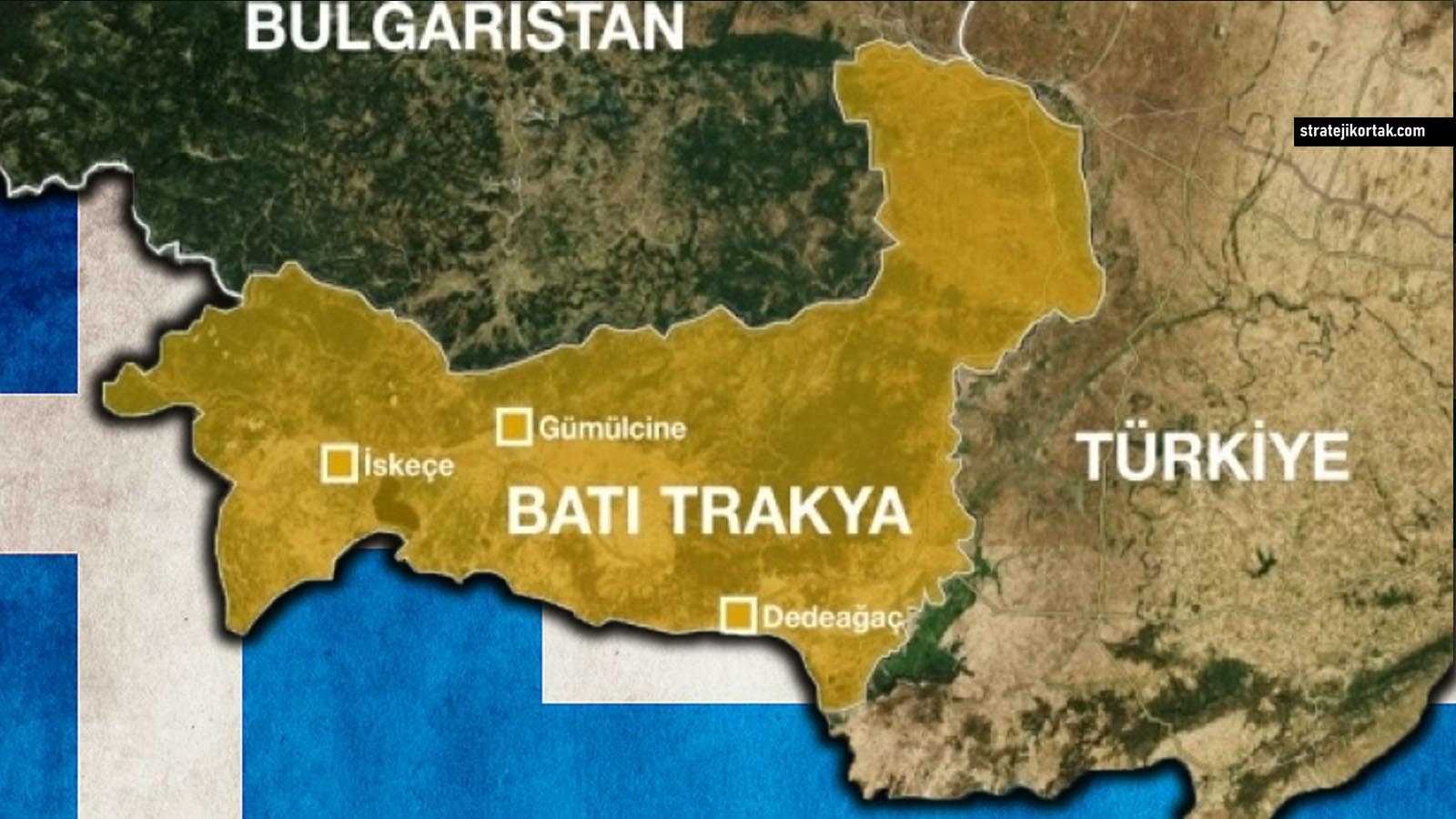
Life in Gümülcine: Population, Economy and Education
Gümülcine, situated at the foothills of the Rhodope Mountains, with the Gümülcine River flowing through the city center. In this article, we will provide information about Gümülcine's population, economy, and education.
Population:
Gümülcine has a population of approximately 60,000. The city's majority population comprises Muslim Turks, Pomaks, and other Muslim minorities of Western Thrace. However, minority populations of Greek nationality also exist in the city. Gümülcine has witnessed issues related to minority rights in Greece, and there remain unresolved problems on this subject.
Economy:
Gümülcine has an economy based on agriculture and tourism. The city and its surroundings are particularly known for production of products like tobacco, olives, and wine. Additionally, tourism activities are quite important in the city and region. There are also several small industrial zones in the city. However, unemployment rate, as in Greece generally, is quite high in Gümülcine as well.
Education:
Gümülcine is an important education center in the region. The city is home to one university: Democritus University. Furthermore, many primary and secondary schools exist in the city. However, the conditions of minority schools and issues regarding Turkish education remain unresolved.
In conclusion, Gümülcine is a city with considerable cultural and historical wealth. However, minority rights and economic problems are among the challenges the city faces. Despite potential in education and tourism sectors, the high unemployment rate represents another challenge Gümülcine must address.
Places to Visit and Tourist Activities in Gümülcine
A list of places to visit and tourist activities in Gümülcine:
- Old Gümülcine (Old Town): With its Ottoman-era historical texture and houses, Old Gümülcine is one of the city's most important tourist destinations.
- The Great Mosque (Gazi Ahmed Pasha Mosque): The largest mosque in Gümülcine, built in the 18th century and is one of the finest examples of Ottoman architecture.
- Ibrahim Pasha Palace: A palace from the Ottoman period, one of the city's most famous historic structures. It is currently used as a museum.
- Jewish Quarter: Gümülcine's Jewish quarter is among the country's oldest Jewish settlements. Here, synagogues and other historic structures reflecting the city's Jewish culture are found.
- Dimetoka: Located approximately 20 kilometers east of Gümülcine, Dimetoka is an Ottoman-era town. Some fine examples of Ottoman architecture are found in Dimetoka.
- Kestanbol: Located east of Gümülcine, renowned for its beautiful nature and historic houses. Many historic structures reflecting Gümülcine's historical character are found here.
- Archaeological Museum: The Archaeological Museum in Gümülcine displays historic artifacts from the region's ancient periods.
- Pehlivanköy: Located south of Gümülcine, known for its natural beauty and historical character. Here, numerous historic structures from the Ottoman period and natural beauties await visitors.
- Meşrutiyet Square: Located in Gümülcine's center, one of the city's most important squares. Numerous historic structures and monuments from the Ottoman period are found here.
- Turkish Quarter: Gümülcine's Turkish quarter is one of the city's largest neighborhoods and hosts many historic structures reflecting Turkish culture.
- Kapısuyu: Located west of Gümülcine, known for its natural beauties and historical character
Multiculturalism in Gümülcine: The Unique Interaction of Turkish, Greek, and Pomak Cultures
Gümülcine is a region where Turkish, Greek, and Pomak cultures interact intensively. For this reason, it possesses a unique multicultural environment bearing influences of multiple cultures. Here are some characteristics of Turkish, Greek, and Pomak cultural interaction in Gümülcine:
- Language and Communication: Turkish, Greek, and Pomak languages are spoken in Gümülcine. Many words and expressions are shared between these languages, and people often use these words to understand each other. Particularly, the Pomak community has created their own language by combining Turkish and Greek words with Pomak vocabulary.
- Traditions and Cultural Heritage: Many traditions and rituals are shared among Turkish, Greek, and Pomak communities in Gümülcine. For example, traditions such as playing drums and zurnas at weddings, sitting together for meals, and visiting each other during holidays are common among all communities.
- Religion and Beliefs: Different religions and beliefs such as Islam, Christianity, and Pomaks' distinctive religious beliefs are widespread among Turkish, Greek, and Pomak communities in Gümülcine. Therefore, mosques, churches, and Pomak worship places are found side by side.
- Art and Crafts: Many art and craft traditions exist among Turkish, Greek, and Pomak communities in Gümülcine. For example, traditional crafts such as copper work in Turkish society, ceramics in Greek society, and weaving in Pomak society are still widely practiced.
- Festivals and Events: Many festivals and events are organized among Turkish, Greek, and Pomak communities in Gümülcine. For example, "Pomak Days," a music festival where songs in Pomak language are performed, and "April 23 National Sovereignty and Children's Day," celebrated together by Turkish and Greek communities, are events where all communities enjoy together.
Turkish Neighborhoods Found in Gümülcine:
- Şahin Neighborhood
- Hacı İsmail Neighborhood
- İsmet Pasha Neighborhood
- Bayır Neighborhood
- Yıldız Neighborhood
- Old Mosque Neighborhood
- Gazi Kemal Neighborhood
- Gazi Osman Pasha Neighborhood
- Small Bazaar Neighborhood
- Old Barracks Neighborhood
- Barbaros Neighborhood
- Balabancık Neighborhood
- Harbor Neighborhood
- New Mosque Neighborhood
- Central Mosque Neighborhood
- Judges' Neighborhood