
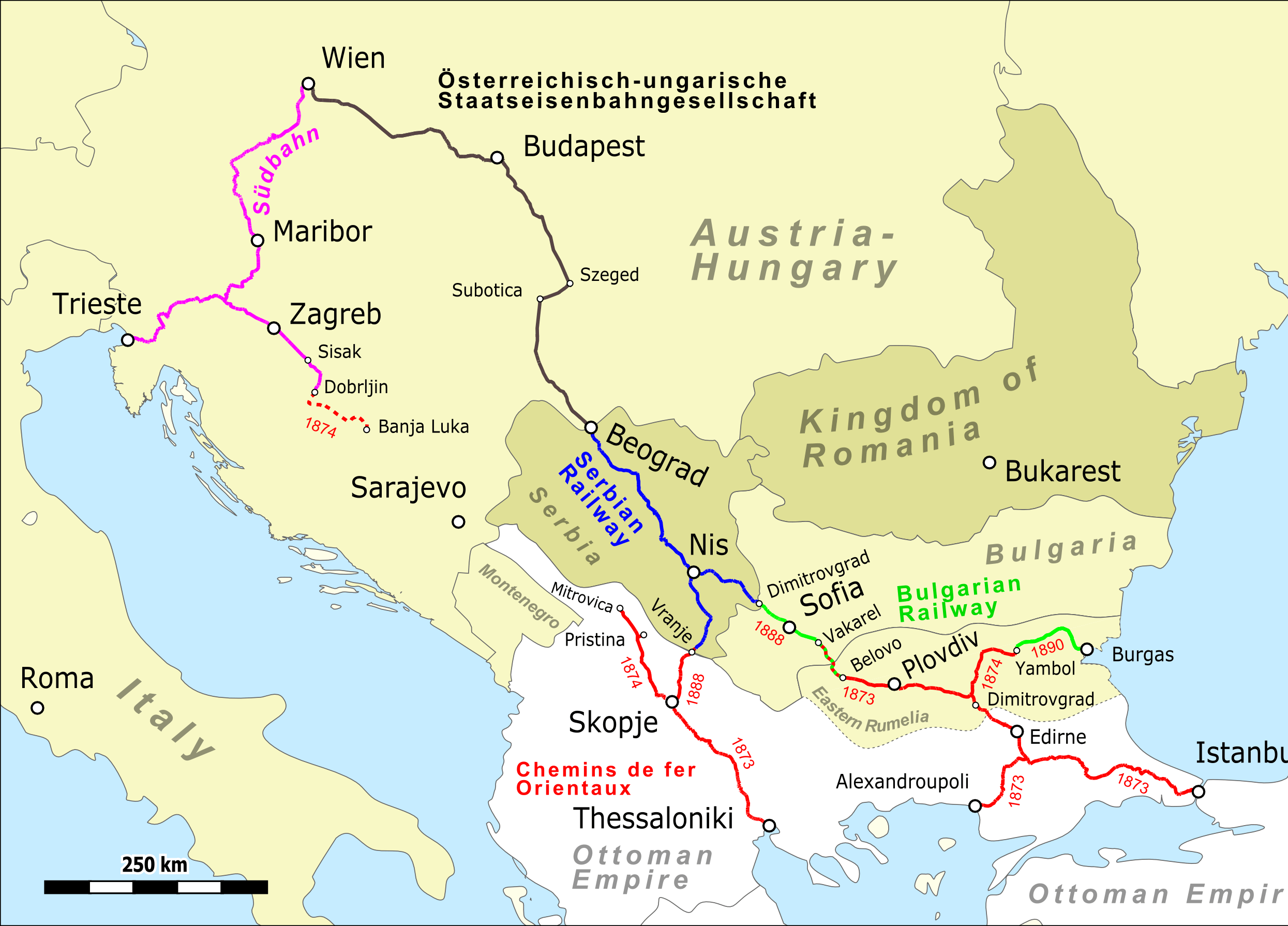
The Rumelian Railway was a railway line built during the final period of the Ottoman Empire that provided transportation connections between Istanbul and Europe. Toward the end of the 19th century, wanting to catch up with the railway networks of other European countries, the Ottoman Empire built the Rumelian Railway for this purpose.
The Rumelian Railway was built between 1873 and 1876. Starting from Istanbul, the line extending to Edirne, was a total of 139 kilometers long. Approximately 20,000 workers worked on the construction of the railway line.
The railway line faced many technical difficulties during its construction. In particular, many tunnels and bridges had to be built while crossing the Balkan Mountains. Additionally, areas through which the railway line passed were frequently subjected to floods and landslides.
The inauguration of the Rumelian Railway took place on October 4, 1873, by Sultan Abdulaziz. On this date, the first journey was made from Istanbul to Halkalı. The entire railway line entered service on October 31, 1876.
The Rumelian Railway was used as an important transportation route during the final period of the Ottoman Empire. However, in the early 20th century, as more modern and effective transportation methods emerged, its use began to decline.
Today, some sections of the Rumelian Railway are still in use. However, most of it has been destroyed due to neglect and abandonment. Efforts are being made to revitalize the Rumelian Railway as a tourism center today.
The construction of the Rumelian Railway was considered a great engineering achievement at that time. Aiming to increase commercial relations with Europe, the Ottoman Empire, through this railway line, enabled goods and people coming from Europe to reach Istanbul in a faster and safer manner.
The Construction of the Rumelian Railway
The Rumelian Railway was a railway line built during the final period of the Ottoman Empire that provided transportation connections between Istanbul and Europe. Toward the end of the 19th century, wanting to catch up with the railway networks of other European countries, the Ottoman Empire built the Rumelian Railway for this purpose.
The Rumelian Railway was built between 1873 and 1876. Starting from Istanbul and extending to Edirne, the line was a total of 139 kilometers long. Approximately 20,000 workers worked on the construction of the railway line.
The construction of the railway line was considered a great technical achievement at that time. Many tunnels and bridges had to be built while crossing the Balkan Mountains. Additionally, areas through which the railway line passed were frequently subjected to floods and landslides. Despite this, construction work was carried out with great care.
The techniques and materials used in the construction of the railway line were selected in accordance with the standards of that period. For example, explosives were used to dig tunnels. Additionally, materials such as iron and steel were used in the construction of bridges.
During the construction process, many workers lost their lives or were injured. Most workers lost their lives due to the difficult working conditions and insufficient safety measures.
The inauguration of the Rumelian Railway took place on October 4, 1873, by Sultan Abdulaziz. On this date, the first journey was made from Istanbul to Halkalı. The entire railway line entered service on October 31, 1876.
The Rumelian Railway was used as an important transportation route during the final period of the Ottoman Empire. However, in the early 20th century, as more modern and effective transportation methods emerged, its use began to decline.
The Importance of the Rumelian Railway Line
The importance of the railway line can be examined from several different perspectives:
- Commercial Importance: The Rumelian Railway enabled products shipped from the Istanbul port to be transported to Europe in a faster and safer manner. Additionally, goods coming from Europe could also be delivered to Istanbul more quickly and economically thanks to the railway line. This led to an increase in commercial activities and accelerated economic growth.
- Military Importance: The Rumelian Railway had strategic importance for the military activities of the Ottoman Empire. The railway line enabled military materials to be transported faster and more safely. Additionally, it played an important role in protecting Ottoman territories in the Balkans.
- Technological Importance: The Rumelian Railway was considered a great technical achievement at the time of its construction. Many structures such as tunnels, bridges, and viaducts had to be built for the railway line. These were built at a highly advanced level given the technological capabilities of that period.
- Cultural Importance: The Rumelian Railway played an important role in the cultural transformation process that took place during the final period of the Ottoman Empire. The construction of the railway line was considered part of the modernization process, as it was in other European countries.
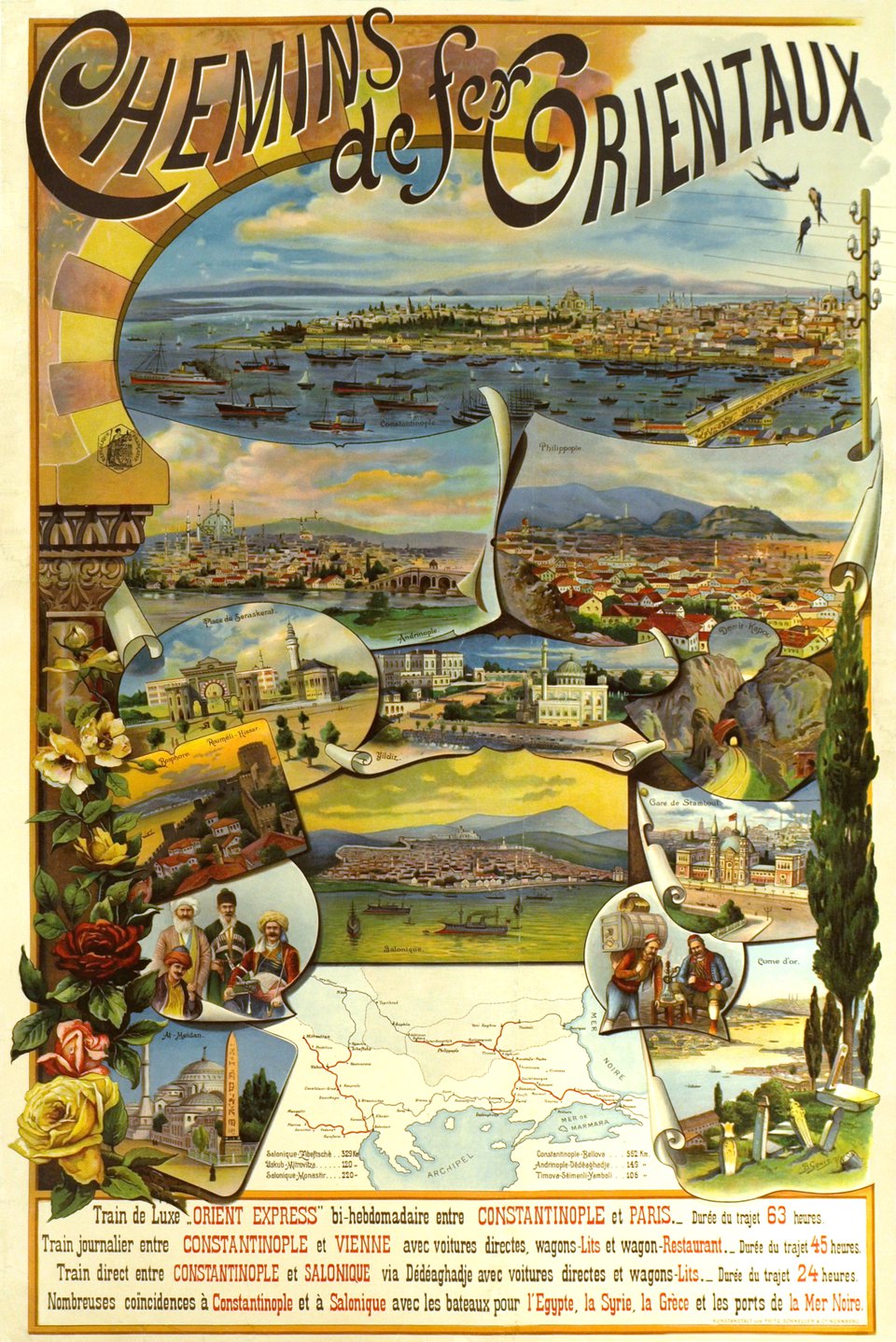
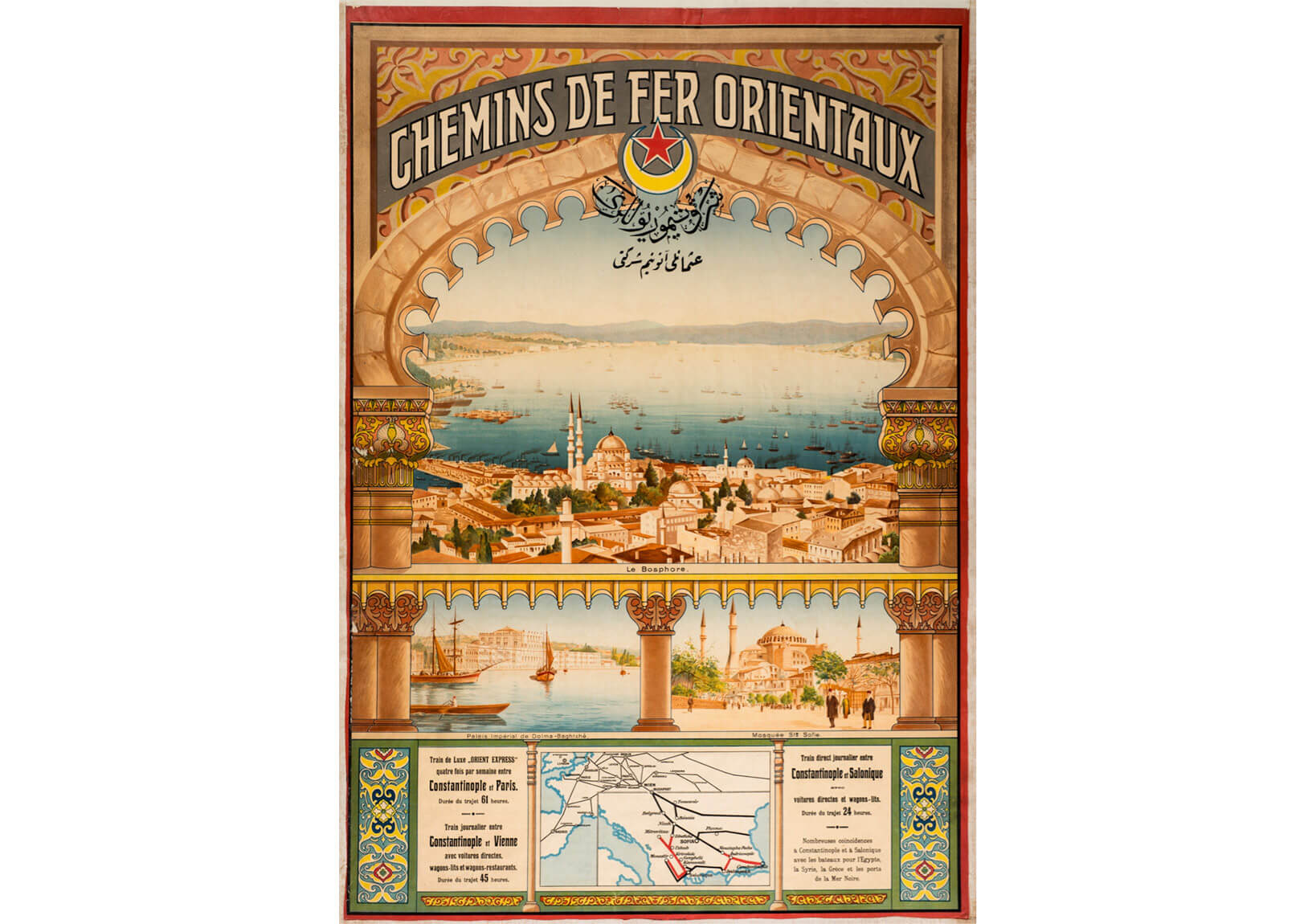
- Tourism Importance: The Rumelian Railway line is used today as a tourism route. In particular, the route from Istanbul to Edirne passes through a region rich in historical and cultural significance. For this reason, it is frequently preferred by tourists.
The importance of the Rumelian Railway is not limited only to the Ottoman period. Even today, this railway line has great historical, cultural, and tourist importance.
The Financing of the Rumelian Railway
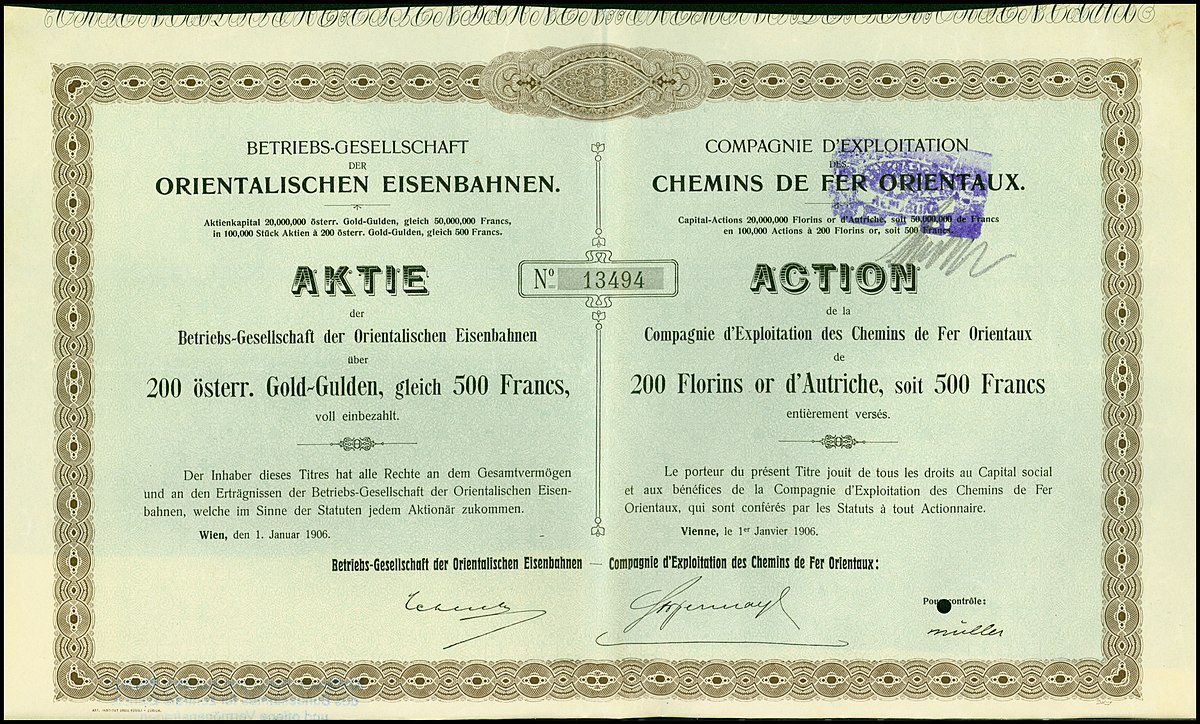
The financing of the Rumelian Railway was a quite difficult process, as was the case with many major infrastructure projects carried out during the final period of the Ottoman Empire. The funds needed for the construction of the railway line were difficult to obtain due to difficulties in the Ottoman Empire's financial structure and the international political environment.
Part of the financing was provided by the Ottoman government. The government raised funds from many public institutions and private companies for the construction of the railway line. However, the government's these sources proved insufficient and more capital was needed.
Thereupon, the Ottoman government organized an international tender for the construction of the railway line in order to attract the interest of foreign investors. As a result of the tender, the French financial company 'Banque de Paris et des Pays-Bas' took on the financing of the railway line.
Banque de Paris et des Pays-Bas provided the Ottoman Empire with a credit of 10 million francs in 1890. This credit was used for a large part of the railway line's construction. Additionally, this financing model was also used in other major projects carried out during the final period of the Ottoman Empire.
However, the financing model proved problematic. The Ottoman Empire became unable to meet its credit repayment obligations. The reasons for this included economic difficulties, problems in financial management, and political instability. This situation led to deteriorated relations with creditors and further problems in the financing of the railway line.
In conclusion, the financing of the Rumelian Railway was quite a difficult process due to financial difficulties in the Ottoman Empire's final period and the international political environment. Obtaining financing from foreign investors for the railway line became problematic due to the Ottoman Empire's financial difficulties and political instability. However, despite these difficulties, the construction of the Rumelian Railway was completed.
World War I and the Rumelian Railway
World War I was a turning point for the Rumelian Railway line. The railway line had been built to increase the Ottoman Empire's military power in the Balkans, and with the start of the war, it gained strategic importance.
With the start of the war, the railway line was used to transport the Ottoman Empire's military resources to the front in the Balkans. In this way, military materials and personnel could be transported faster and more safely. The railway line helped the Ottoman Empire maintain its military presence in the Balkans and gain advantages in the war.
However, the railway line also played an important role in the later stages of the war. In particular, during the occupation of Romania, which took place in 1916, the railway line was used to transport the Ottoman Empire's military resources to this region. In this way, the Ottoman Empire was able to succeed in the occupation of Romania.
However, in the later stages of the war, the railway line also became an indicator of the economic difficulties experienced by the Ottoman Empire in the war. The prolongation of the war increased the operating and maintenance costs of the railway line, and due to the Ottoman Empire's limited financial resources, serious problems were experienced in the maintenance and operation of the railway line.
In conclusion, World War I was a turning point for the Rumelian Railway line. The railway line was used to transport the Ottoman Empire's military resources to the front in the Balkans and gained strategic importance in the war. However, in the later stages of the war, the railway line became an indicator of the economic difficulties experienced by the Ottoman Empire.
The Current Status of the Rumelian Railway
The Rumelian Railway is not a railway line in use today. This railway line, which had strategic importance during the final period of the Ottoman Empire and during World War I, later lost its importance and was completely closed in the 1950s.
Today, a portion of the Rumelian Railway line is used as a tourism

