
The Adana-Aleppo Railway was a historic railway line built during the Ottoman Empire in the early twentieth century and before World War I. Approximately 200 kilometers long, this line ran from the city of Adana in Turkey to the city of Aleppo in Syria. The construction of the Adana-Aleppo Railway was carried out as part of the broader Baghdad Railway project, intended to meet the Ottoman Empire's trade and transportation needs.
The Adana-Aleppo Railway project was realized with the support of various European railway companies, primarily German ones. The railway line's construction encountered numerous technical difficulties. Since many sections of the railway passed through mountainous and rocky terrain, the construction process proved quite challenging. Moreover, many workers lost their lives during construction.
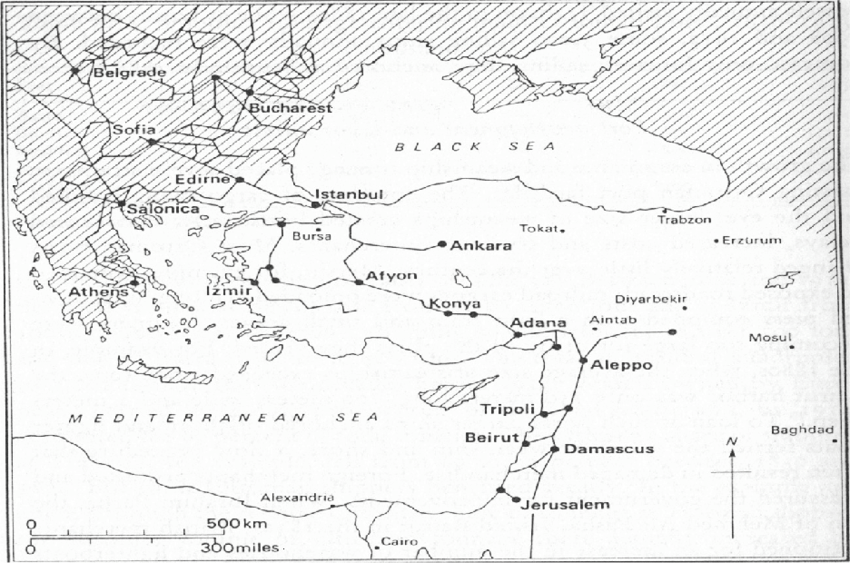
During World War I, the Adana-Aleppo Railway held strategic importance and was targeted and damaged several times. In the post-war period, the railway line was rebuilt and became an important transportation route between Turkey and Syria. The railway was particularly used as an important means of transport for trade, tourism, and military operations during the Ottoman Empire period.
The Adana-Aleppo Railway forms part of the historic Silk Road. By connecting the historical and cultural heritage of the Middle East, it increased economic and cultural interaction in the region. The construction of the Adana-Aleppo Railway greatly transformed the economic and social structure of the region. Thanks to the railway line, the region's people could transport goods and services more easily, trade volume increased, and the tourism sector developed.
The Adana-Aleppo Railway: The Ottoman Empire's Industrial Revolution
The Adana-Aleppo Railway was one of the most important railway lines built during the final period of the Ottoman Empire. Entering service in the early twentieth century, this line made a significant contribution to economic development in the southern and eastern regions of the Ottoman Empire. At the same time, this railway was seen as part of the Ottoman Empire's modernization efforts.
Construction of the Adana-Aleppo Railway
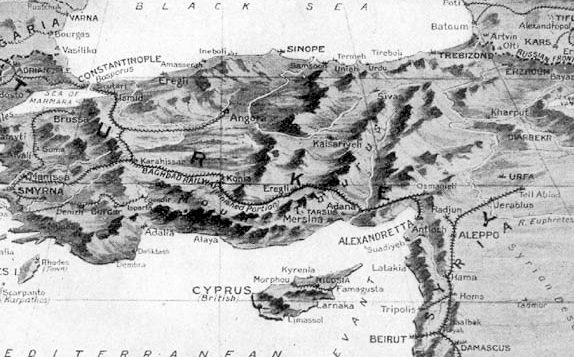
The Adana-Aleppo Railway was a line built through cooperation between German and Ottoman engineers as part of the broader Baghdad Railway project. The railway line's construction was largely managed by engineers from Germany. This railway line extends from the Ceyhan district of Adana to the city of Aleppo in the Syria region of the Ottoman Empire. Its total length is approximately 200 kilometers.
The Significance of the Adana-Aleppo Railway
The Adana-Aleppo Railway made a significant contribution to the Ottoman Empire's economy. The railway line revitalized agricultural, trade, and industrial activities in the eastern and southern regions of the Ottoman Empire. The Adana-Aleppo Railway also strengthened the Ottoman Empire's commercial ties with European countries. At the same time, this railway line played an important role in the Ottoman Empire's military strategy during World War I.
The End of the Adana-Aleppo Railway
The Adana-Aleppo Railway suffered serious damage during World War I. After the war, parts of the railway line were restored. However, due to political turmoil and economic problems in the region, the railway line fell into disrepair and operations were halted. Finally, in the 1970s, the Syrian government began efforts to partially restore the Adana-Aleppo Railway.
The Current Status of the Adana-Aleppo Railway
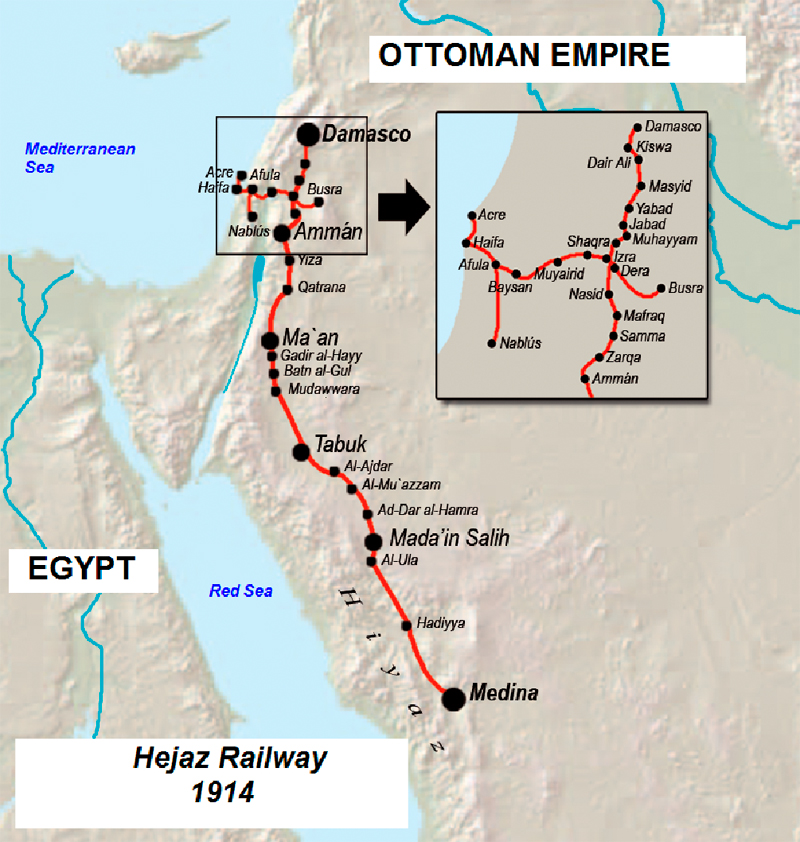
The Adana-Aleppo Railway is still an operational railway line today. However, compared to its glory days and importance, it has limited use today.
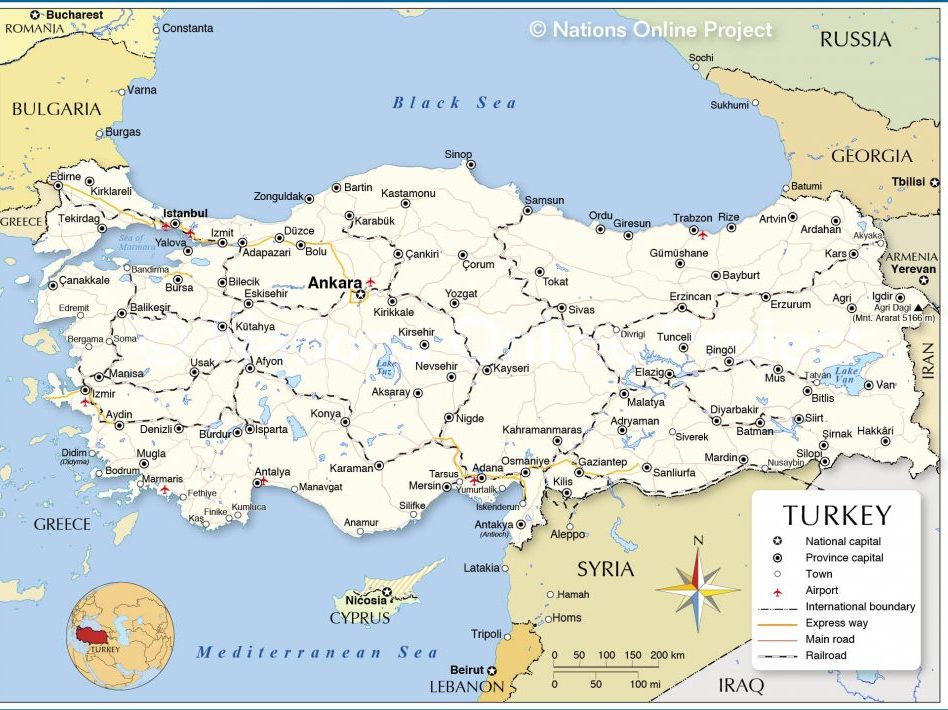
Due to the civil war in Syria, the station in Aleppo is closed and part of the railway line cannot be used. Nevertheless, the section from Adana to Osmaniye and Nurdag is still in operation. This line is particularly important for freight transportation.
In 2019, the Turkish government began work on the restoration and modernization of the Adana-Aleppo Railway. With the completion of these works, it is intended to revive the railway line and use it for tourism. However, the project is still ongoing and the completion date is uncertain.
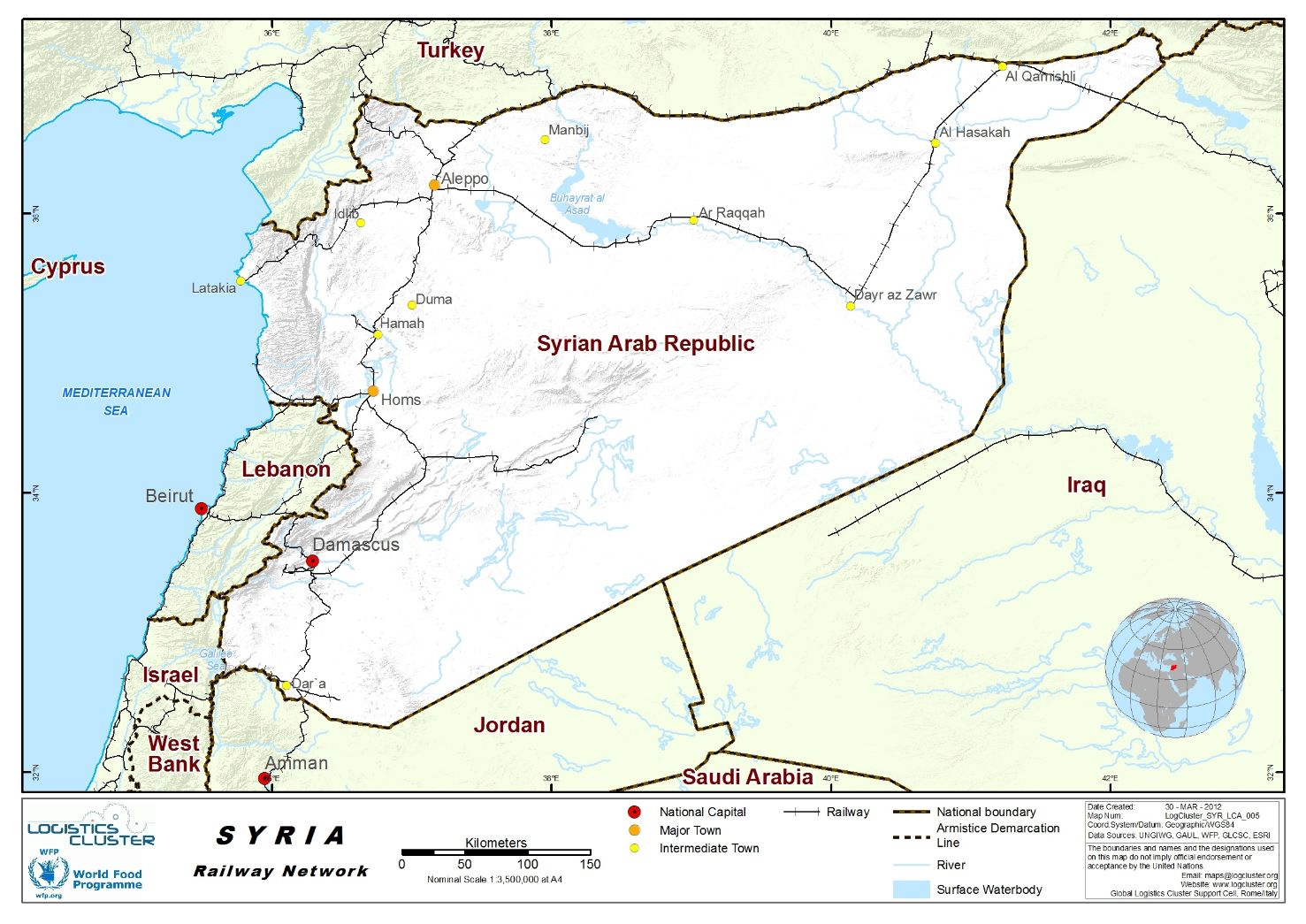
Here are some interesting facts about this historic railway:
- The Adana-Aleppo Railway was built by the Ottoman Empire in the early twentieth century as part of the Baghdad Railway project. Approximately 200 kilometers long, the railway line extends from Adana to the city of Aleppo in the Syria region of the Ottoman Empire.
- The railway line held strategic importance during World War I and was targeted and damaged multiple times in the war. However, due to the railway's importance, it was rebuilt in the post-war period.
- The Adana-Aleppo Railway represents an important connection between Turkey and Syria. The railway line was particularly used as an important transportation route for trade, tourism, and military operations during the Ottoman Empire period.
- The construction of the Adana-Aleppo Railway encountered many difficulties. Since many sections of the line passed through mountainous and rocky terrain, the construction process proved quite challenging. Moreover, many workers lost their lives during construction.
- The railway line forms part of the historic Silk Road. The Adana-Aleppo Railway increased economic and cultural interaction in the Middle East by connecting the historical and cultural heritage of the region.
- Although part of the Adana-Aleppo Railway is still in use today, it was neglected for many years. Today, through cooperation between the Turkish and Syrian governments, the railway line is being repaired and modernized. Through this effort, it is hoped to revive the railway line and further improve transportation in the region.

